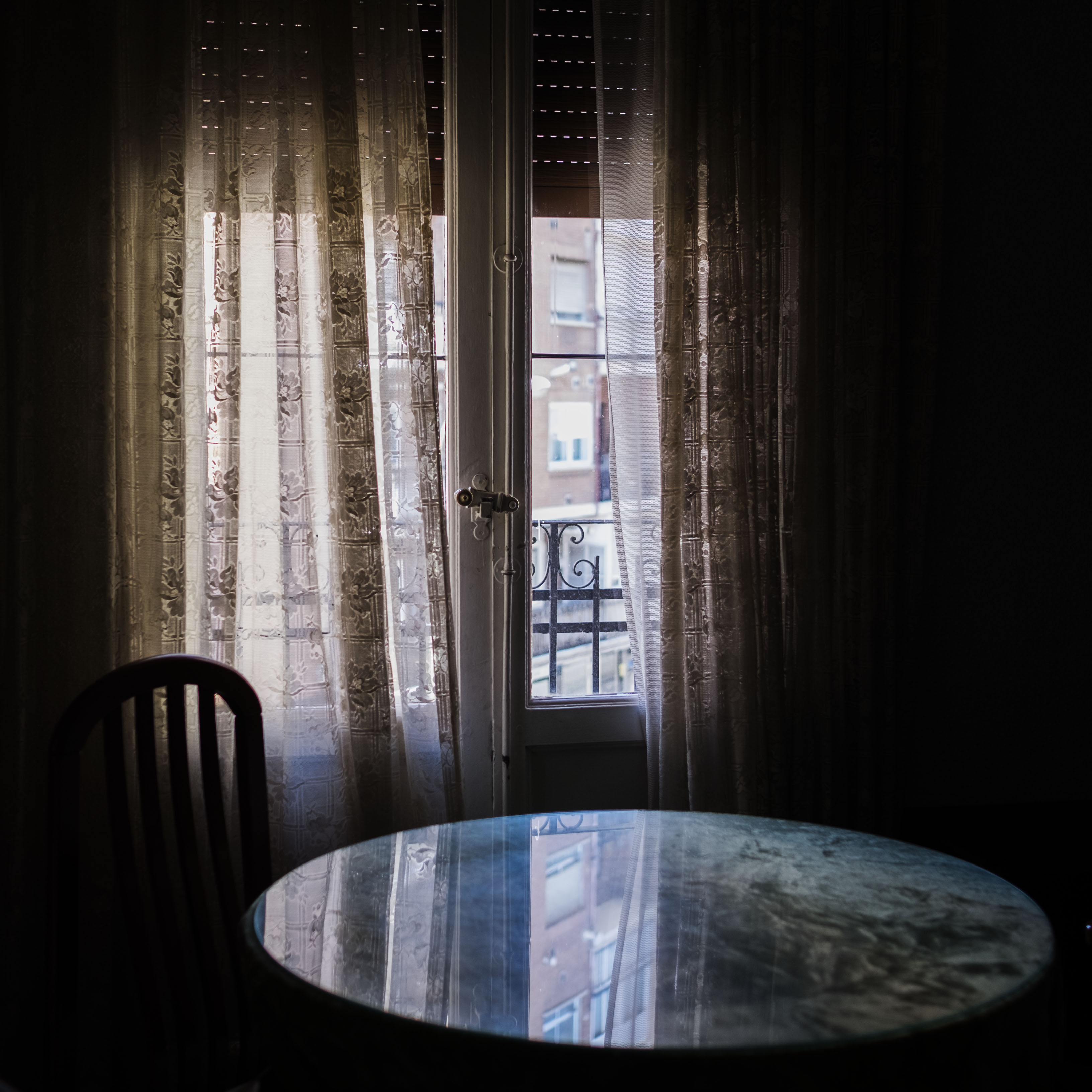
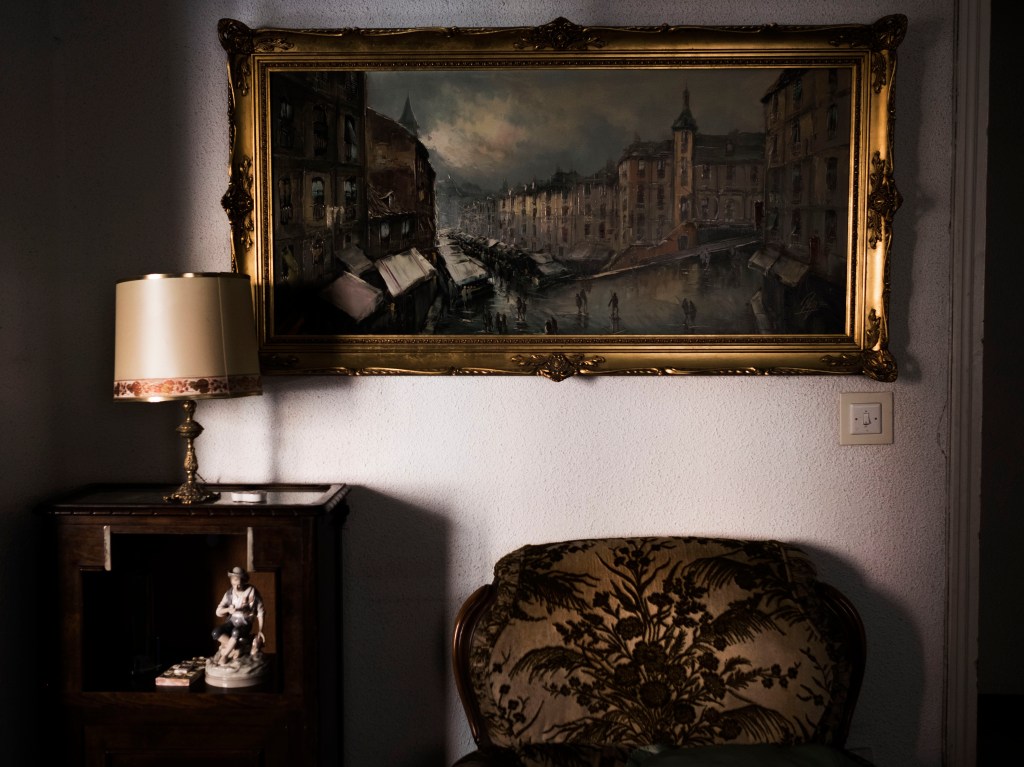
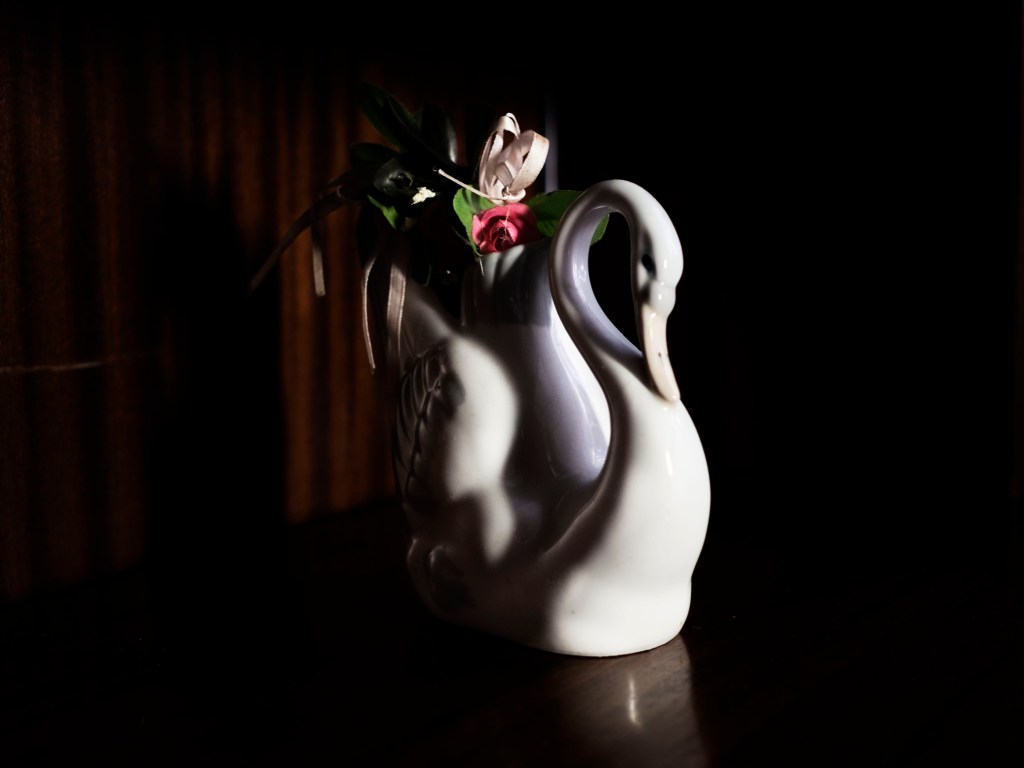
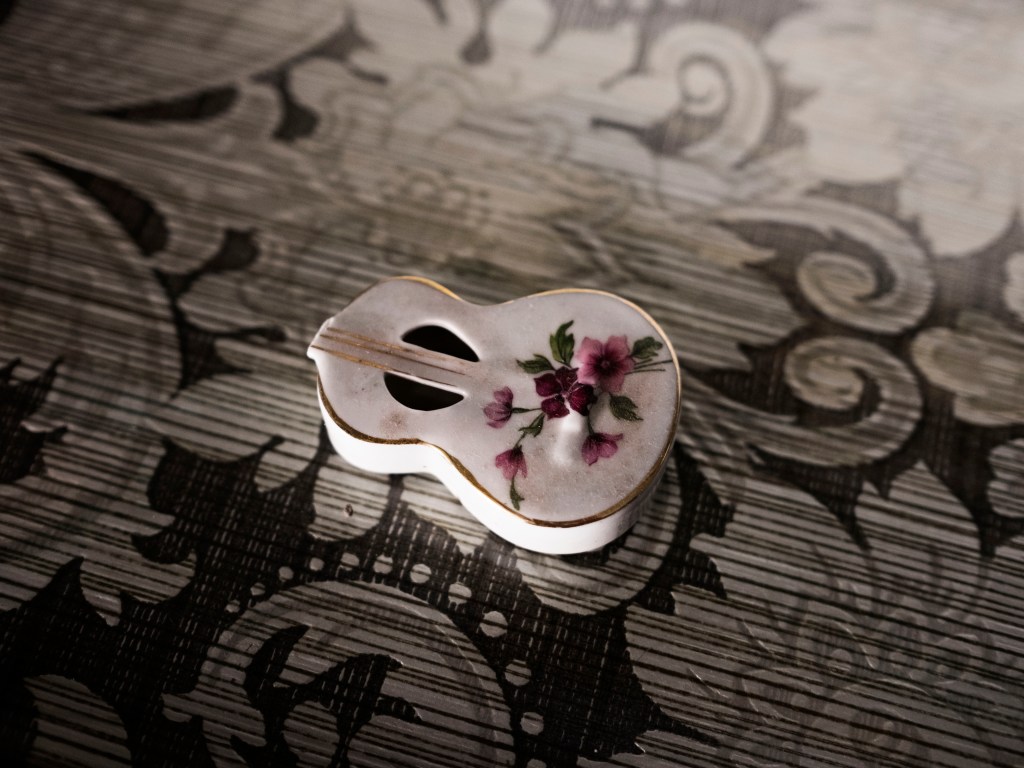

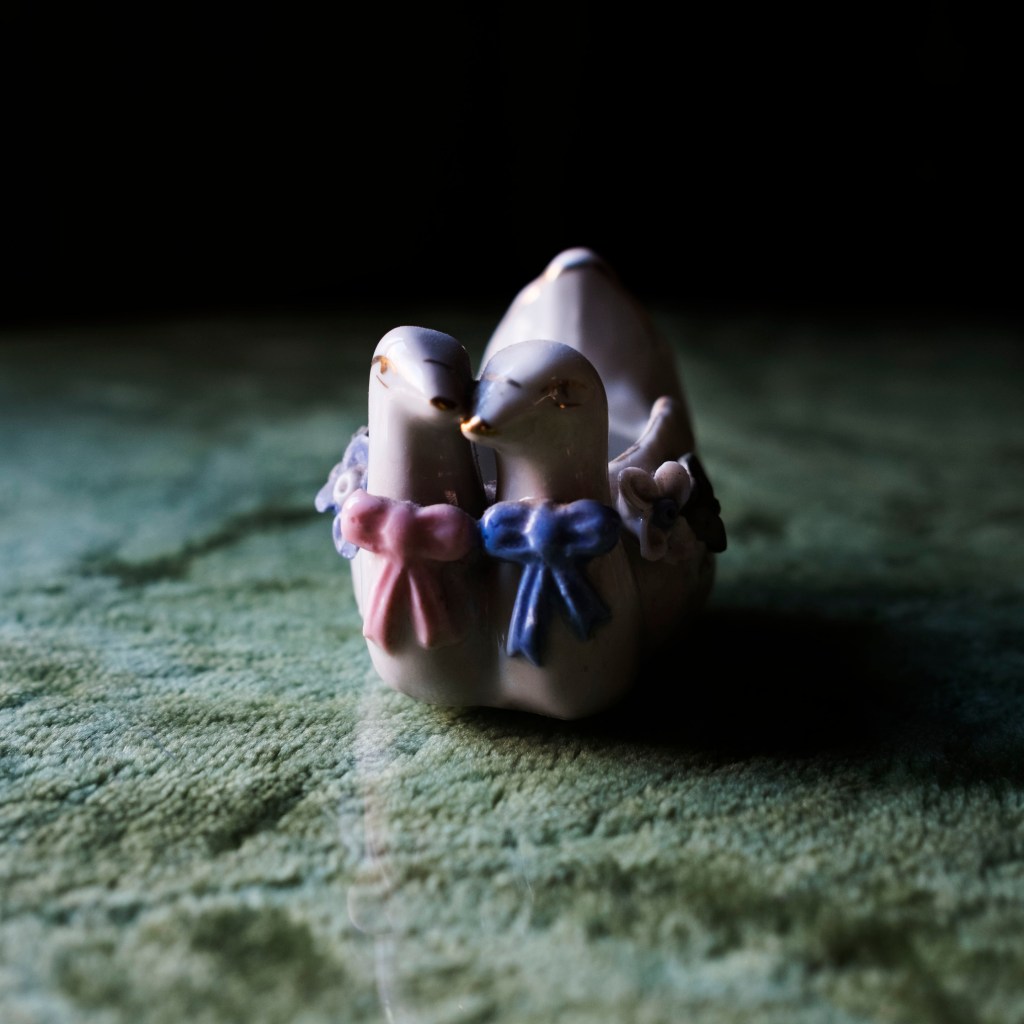
Volver a los lugares que albergan las memorias de nuestra infancia despierta emociones adormecidas durante años.

Volver a los lugares que albergan las memorias de nuestra infancia despierta emociones adormecidas durante años.
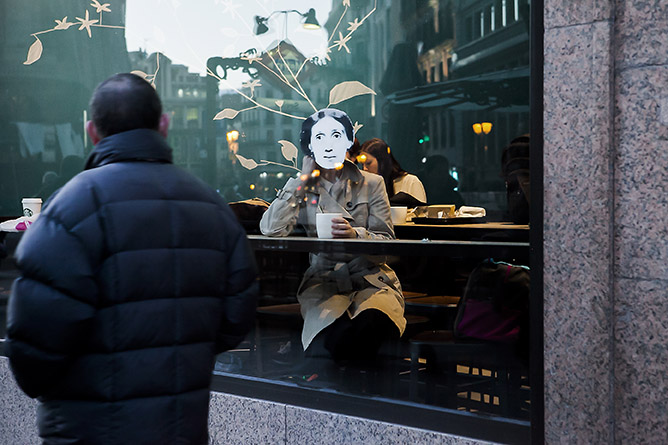
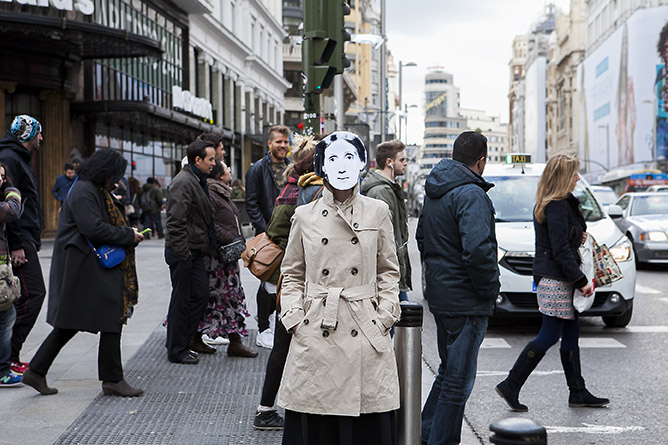


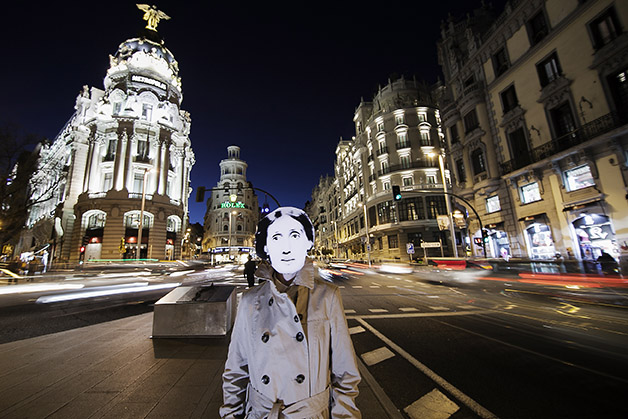
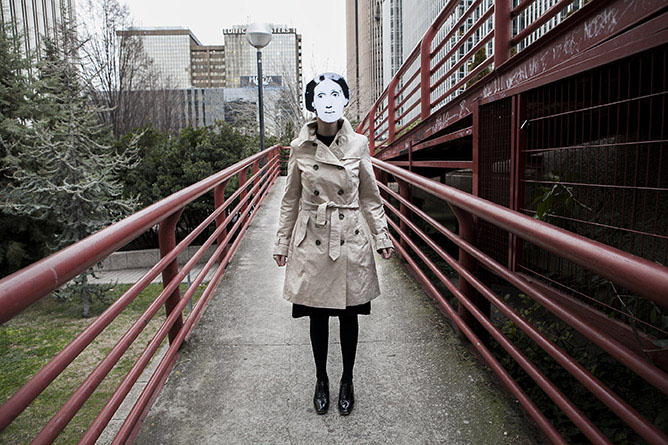


El 28 de marzo de 1941 Virginia Woolf nos dejó. Ella se dejó ir en las frías aguas del río Ouse pero antes de marcharse escribió estas palabras a Leonard Woolf:
«Dearest, I feel certain that I am going mad again. I feel we can’t go through another of those terrible times. And I shan’t recover this time. I begin to hear voices, and I can’t concentrate. So I am doing what seems the best thing to do. You have given me the greatest possible happiness. You have been in every way all that anyone could be. I don’t think two people could have been happier till this terrible disease came. I can’t fight any longer. I know that I am spoiling your life, that without me you could work. And you will I know. You see I can’t even write this properly. I can’t read. What I want to say is I owe all the happiness of my life to you. You have been entirely patient with me and incredibly good. I want to say that—everybody knows it. If anybody could have saved me it would have been you. Everything has gone from me but the certainty of your goodness. I can’t go on spoiling your life any longer. I don’t think two people could have been happier than we have been. V.» (más…)

Este proyecto plantea una reflexión sobre la rutina en nuestra vida cotidiana a la vez que un interrogante sobre si estamos o no alcanzando nuestros sueños, si en realidad tenemos un control de nuestras vidas. «Struthio Camelus» (avestruz) sugiere un paralelismo entre este animal y las protagonistas de las imágenes, que esconden sus rostros como forma de evasión, tratando de huir de la realidad que les rodea.



 sara merec
Debe estar conectado para enviar un comentario.